
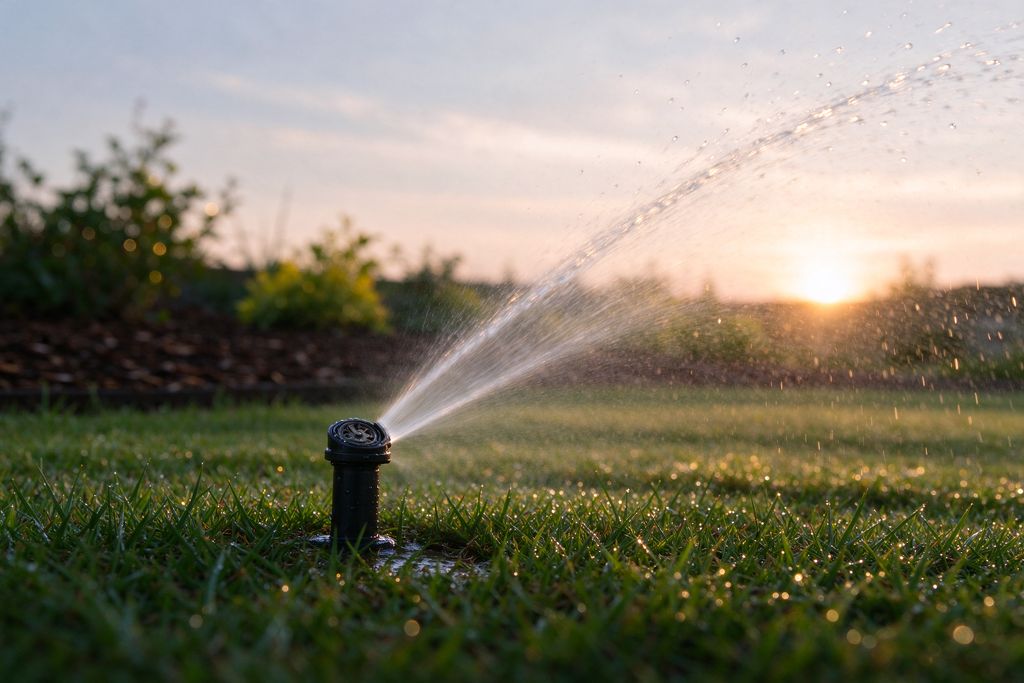
Fixed timer
Runs the same days and minutes until someone changes it. Simple, but it waters through rain and under-waters in heat waves unless adjusted by hand.
Independent turf information site, not a licensed contractor. Hire licensed, insured pros where your state or city requires it. Read the notice
Home / Lawn Irrigation and Smart Controllers
Water guide
Most lawns are watered by habit rather than by need. A sound sprinkler layout plus a controller that responds to the weather is the most direct way to grow better grass on less water.
Four ways to decide when to water
From a basic timer to a controller that reads the soil. Hover or tap each to compare.
Runs the same days and minutes until someone changes it. Simple, but it waters through rain and under-waters in heat waves unless adjusted by hand.
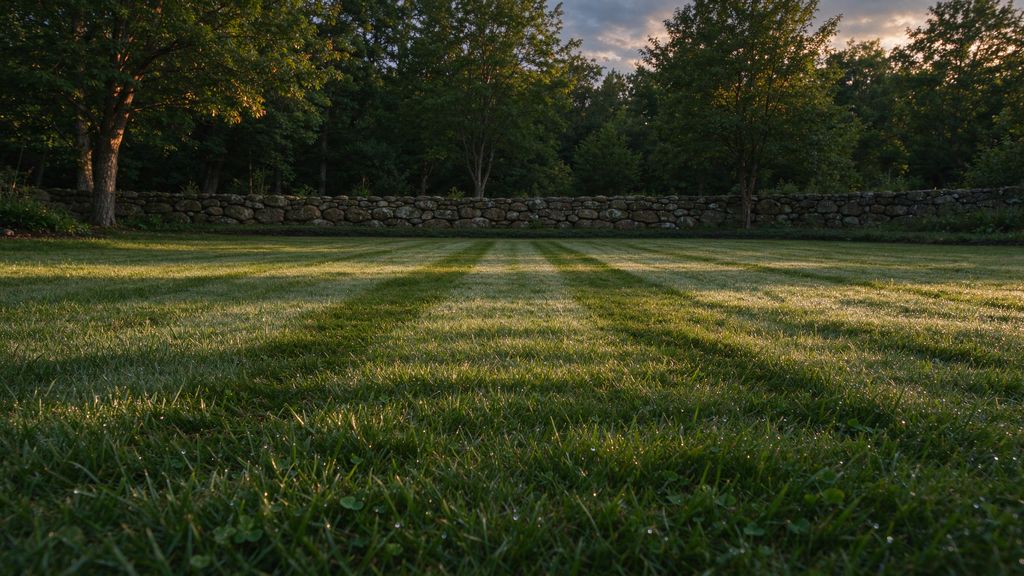
Adjusts run times using local weather data or an on-site sensor to estimate how much water the lawn has used. This is the type the EPA WaterSense label covers.

A probe buried in the root zone lets watering go ahead only when the soil has dried past a set point. Placement in a representative spot matters.
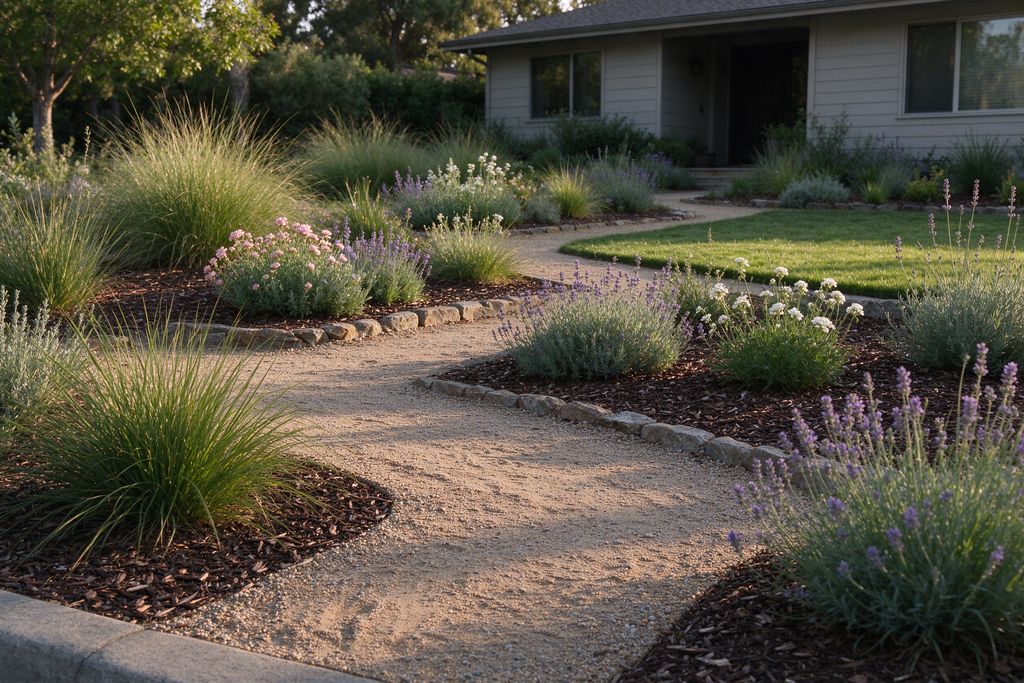
Add-on switches that skip cycles during rain or freezing temperatures. Cheap, and often required by local codes on new systems.
An automatic sprinkler system is only as good as two things: how evenly it puts water down, and how well its schedule matches what the grass actually uses. A new controller fixes the second. It cannot fix the first, which is why the order of work matters: repair and audit, then upgrade the brain.
Water enters from the main supply, passes through a backflow preventer and feeds a set of valves. Each valve controls a zone: a group of heads that run together. The controller opens valves one at a time on a schedule.
Spray heads and rotors on the same zone. Because they apply water at very different rates, the spray-covered part floods while the rotor-covered part stays dry. Each zone should use heads with matched precipitation rates.
A smart controller replaces fixed run times with an estimate of what the lawn needs. Weather-based models use temperature, humidity, wind, sun and rainfall, either from an online weather source or an on-site station, to estimate evapotranspiration: the water the soil and grass lose each day. When it has been cool and cloudy, they water less; in a heat wave, more. Sensor-based models measure soil moisture directly.
To get the most out of one, set up each zone honestly: grass type, sun or shade, slope, soil type and head type. Those settings drive the calculations. Many people install a smart controller, skip the zone setup and wonder why nothing changed.
| Setting | Why it matters |
|---|---|
| Soil type | Clay takes water slowly; sand drains fast and needs shorter, more frequent cycles |
| Slope | Triggers cycle-and-soak so water soaks in before it runs off |
| Sun exposure | Shaded turf uses noticeably less water than turf in full sun |
| Head type | Sets the application rate the controller uses to convert depth into minutes |
| Plant type | Keeps lawn zones and shrub or drip zones on separate logic |
Run each zone for a few minutes and walk it. Track what you find with this list; your progress is saved in this browser.
Audit 0 / 7
Fixing a broken head or a misaligned nozzle often saves more water than any controller. Some water utilities offer free or low-cost irrigation checkups; check your local water utility.
The goal is to wet the root zone thoroughly, then let the top of the soil dry before watering again. That pattern pushes roots deeper and makes grass more drought tolerant. Daily short cycles do the opposite.
water runs off before the soil is wet a few inches down,
split the run time into two or three shorter cycles with a soak period between.
the lawn is newly sodded or seeded,
use a temporary establishment schedule, then return the controller to normal mode.
it rained or the soil is still moist,
skip the cycle; a rain sensor or smart controller does this for you.
one area is always dry while the rest is fine,
fix coverage there instead of raising the run time for the whole zone.
Irrigation sits where plumbing, water supply and landscaping meet, so rules vary widely. Many cities set watering days or hours, especially in summer. Many water utilities require a backflow preventer and periodic testing. Some states license irrigation contractors separately from general landscapers. Ask your water utility and your state licensing board before you add zones or move the main connection, and see how to choose a landscaper for the questions to ask.
Thinking about watering less grass altogether? The water-wise turf replacement guide covers shrinking a lawn and how rebate programs usually work.
WaterSense is a US EPA program. Irrigation controllers that carry the label have been independently certified to adjust watering based on local weather or site conditions instead of a fixed schedule. Some water utilities offer rebates on labeled models.
Usually. Most replace the timer on the wall and connect to the same valve wires. What they cannot fix is a system with broken heads, mixed nozzles or poor coverage, so an audit first is worthwhile.
Early morning is generally best: less evaporation and wind, and the grass dries during the day, which reduces disease. Many cities set watering-day or time-of-day rules, so check yours.
It is a valve assembly that stops irrigation water, which can carry fertilizer and soil, from being pulled back into drinking water lines. Many water utilities and plumbing codes require one on irrigation systems, often with periodic testing by a certified tester. Your utility can tell you the local rule.
Set out several straight-sided cans or catch cups across a zone, run it for a fixed time and compare the depths. Big differences mean head spacing, pressure or nozzle problems.
Usually not in the usual sense, but many owners keep a hose bib or a few spray heads for rinsing pet areas and cooling the surface on hot days. Plan that before installation.
Keep reading
Each guide stands alone, but most turf projects touch two or three of them. When the plan is clear, the inquiry form takes a few minutes.
Describe your project